
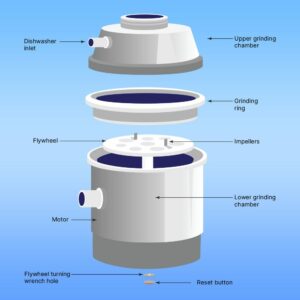
A quality garbage disposal can make life in the kitchen much easier. Unfortunately it’s pretty easy to overlook a piece of equipment that’s so well integrated into a cooking space. A product tucked away in a dark space, constantly in contact with waste and water, there’s so many opportunities for garbage disposals to malfunction. Let’s go over all the possible garbage disposal scenarios and give you a guide to garbage disposal repair.
How to Fix a Clogged Garbage Disposal
You have a few options when it comes to unclogging a garbage disposal but the first step is always to identify what is causing the clog. Once you’ve removed all visible garbage from the device, try one of the techniques listed below to finish the job.
Use a Plunger
Use a plunger to fix your clogged garbage disposal. A plunger will create a pressure vacuum to push resilient clogs down the discharge drain.
- Fill the sink with enough water to create a seal around the plunger before firmly plunging the drain.
- Remove any new visible items and run cold water through the drain while running the garbage disposal for a few seconds.
Still having trouble? Try a mixture of baking soda and white vinegar. This natural remedy can cut through greasy/fatty oils and sticky substances.
- Start by pouring baking soda down the drain, followed by white vinegar.
- Let that concoction fizz for about 15-20 minutes.
- Run hot water to wash away any remaining gunk and turn on the garbage disposal for a few seconds.
If both of these tricks don’t seem to be working, it’s time to call a professional. Contact your local plumber for further troubleshooting. It may be beyond repair and require a replacement all together.
How to Fix a Clogged Garbage Disposal
You have a few options when it comes to unclogging a garbage disposal but the first step is always to identify what is causing the clog. Once you’ve removed all visible garbage from the device, try one of the techniques listed below to finish the job.
Use a Plunger
Use a plunger to fix your clogged garbage disposal. A plunger will create a pressure vacuum to push resilient clogs down the discharge drain.
- Fill the sink with enough water to create a seal around the plunger before firmly plunging the drain.
- Remove any new visible items and run cold water through the drain while running the garbage disposal for a few seconds.
Still having trouble? Try a mixture of baking soda and white vinegar. This natural remedy can cut through greasy/fatty oils and sticky substances.
- Start by pouring baking soda down the drain, followed by white vinegar.
- Let that concoction fizz for about 15-20 minutes.
- Run hot water to wash away any remaining gunk and turn on the garbage disposal for a few seconds.
If both of these tricks don’t seem to be working, it’s time to call a professional. Contact your local plumber for further troubleshooting. It may be beyond repair and require a replacement all together.

Your Garbage Disposal Smells
You can easily make your garbage disposal smell better with citrus
If you have some citrus fruits around the house, try cutting off some peels and throwing them into the garbage disposal one peel at a time while running cold water. Lemon, limes, oranges, and grapefruits are all great options.
The most effective method is to combine white vinegar with chunks of citrus fruits in an ice cube tray. Freeze the concoction overnight and blend into garbage disposal one by one, running cold water between cubes to stop chunks of fruit from sticking to the walls of the appliance.
Garbage Disposal Is Not Working
If your garbage disposal will not turn on and you have ruled out an obvious clog, it may need to be reset. Always follow a few basic safety precautions before inspecting the appliance.
- Disconnect the power. Unplug the garbage disposal from the outlet underneath the sink. When possible, also switch off the appropriate circuit breaker.
- Check for a jam. Remove the splash guard and inspect the disposal with a flashlight. Never place your hand inside the disposal. Use disposal tongs, pliers, or the manufacturer-provided wrench to remove an obstruction or free the grinding mechanism.
- Check the reset button. The reset button is usually located on the bottom of the garbage disposal. Press it firmly if it has popped out.
- Check the electrical supply. Verify that the outlet, wall switch, fuse, or circuit breaker has not been tripped.
If the garbage disposal still does not operate after completing these steps, contact a qualified professional. Continuing to troubleshoot an electrical or mechanical failure could damage the appliance or cause personal injury.
New Garbage Disposal Is Preventing the Dishwasher from Draining
When installing a new garbage disposal, there is an important step that is easy to overlook. Missing it can prevent the dishwasher from draining properly.
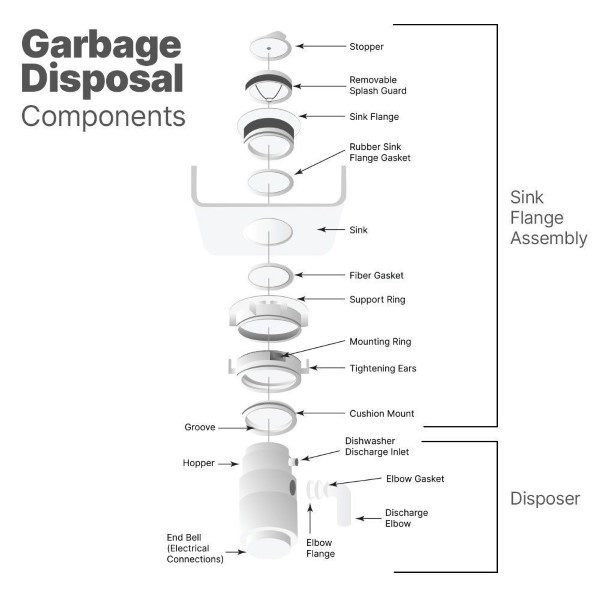
If the dishwasher drain hose connects to the garbage disposal, the disposal’s dishwasher inlet plug must be removed before the hose is attached. If the plug remains in place, wastewater from the dishwasher cannot enter the disposal and may back up around the sink or dishwasher.
To remove the inlet plug:
- Disconnect power to the garbage disposal.
- Locate the dishwasher inlet connection on the side of the disposal.
- Place a blunt tool, such as a steel punch or wooden dowel, against the center of the plug.
- Tap the tool carefully with a hammer until the plug breaks free.
- Reach inside the disposal with pliers or disposal tongs and remove the loose plug.
Do not intentionally leave the knockout plug inside the disposal. Remove it before operating the appliance.
Taking Care of Your Garbage Disposal
Cleaning Your Garbage Disposal
Routine cleaning can help a garbage disposal operate more efficiently and reduce odors coming from the sink.
Always begin by disconnecting the disposal from power.
- Use a flashlight to inspect the disposal for trapped food or foreign objects.
- Use needle-nose pliers or disposal tongs to remove visible debris. Never place your hand inside the disposal.
- Reconnect the power after confirming the disposal is clear.
- Run cold water and operate the disposal briefly to flush away loose residue.
- Add several ice cubes and a small amount of coarse salt, then run the disposal with cold water for a few seconds.
- For odor control, add a small amount of baking soda, allow it to sit briefly, and rinse thoroughly with cold water.
Avoid overfilling the disposal or repeatedly starting and stopping it while it contains a large amount of material.
Garbage Disposal Is Leaking
If your garbage disposal is leaking, identifying the source of the water is the best place to begin.
Leak at the Top
A leak near the top of the appliance may indicate that the sink flange is loose or that the gasket and plumber’s putty are no longer sealing correctly.
The disposal may need to be removed and the sink flange resealed. Simply tightening visible hardware may not correct a failed seal.
Leak at the Discharge Elbow
A leak near the discharge elbow may be caused by loose screws, a damaged gasket, or a misaligned drain connection.
Disconnect the power before inspecting the connection. Carefully tighten the mounting screws evenly, but do not overtighten them. Replace the gasket if it is cracked, compressed, or damaged.
Leak from the Bottom
A leak from the bottom of the garbage disposal usually indicates that an internal seal has failed. Water may have entered the motor housing, and the appliance will generally need to be replaced.
Disconnect the disposal from power and stop using it until it can be inspected or replaced.
What Food Can You Put Down a Garbage Disposal?
The name “garbage disposal” should not be taken literally. These appliances are designed for limited amounts of appropriate food waste, not household garbage.
Never pour lye, caustic drain cleaner, or other harsh chemical cleaners into a garbage disposal. These products can damage seals and metal components, create hazardous fumes, and cause serious corrosion.
Generally Safe in Small Amounts
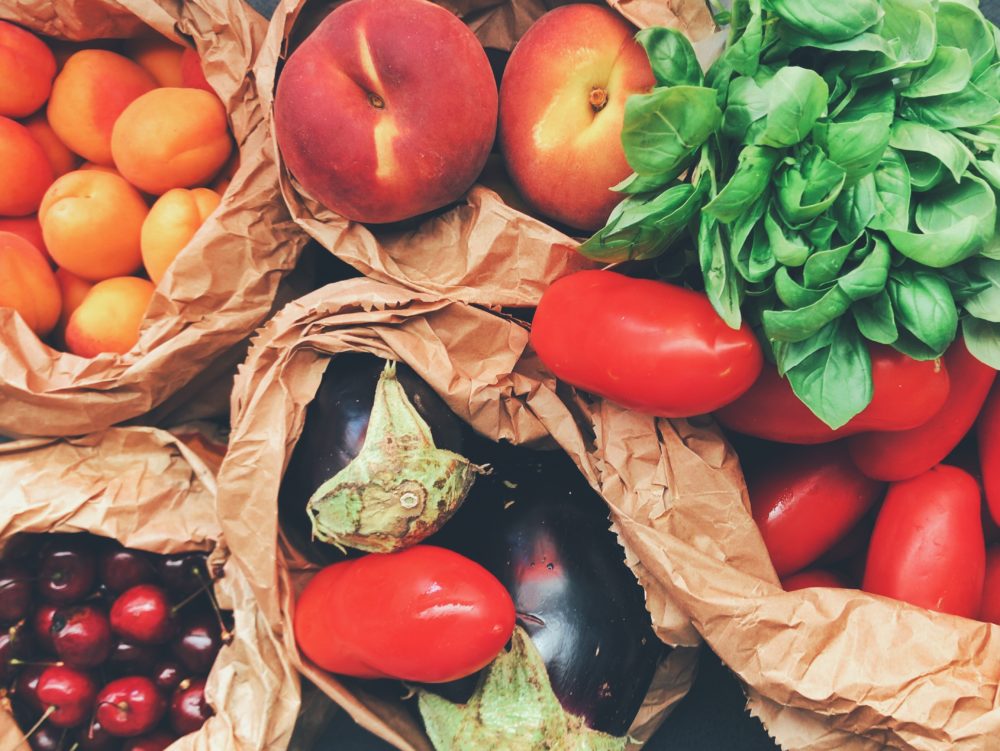
Most soft fruits and vegetables without hard pits, thick peels, or fibrous stems can be processed in small amounts.
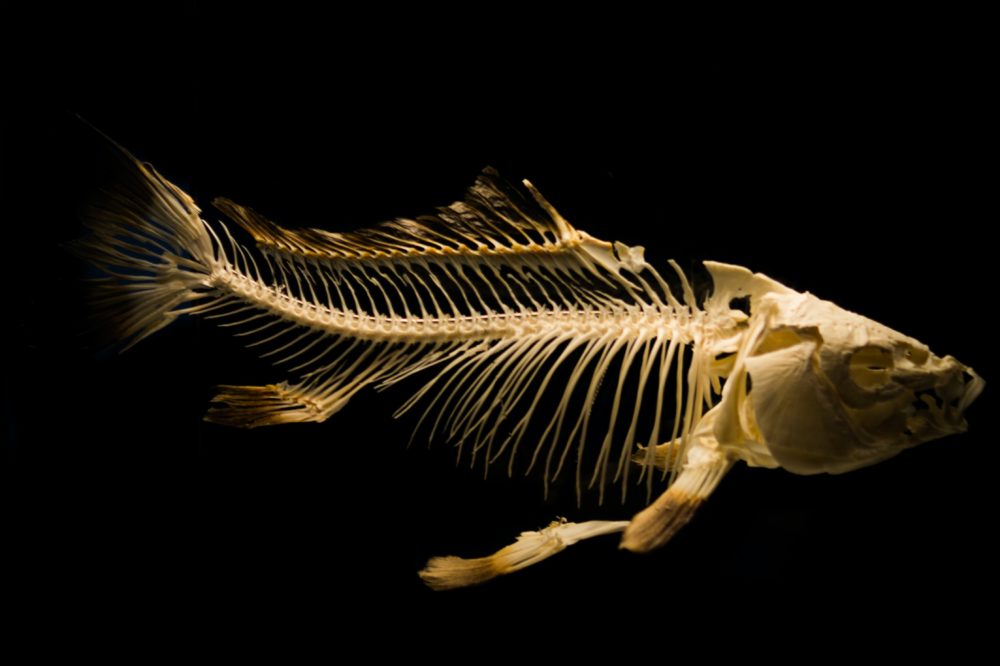
Very small fish bones may be acceptable for some disposals, but larger or harder bones should go in the trash.

Small pieces of corn cob may be manageable for some heavy-duty disposals, but corn husks and silk are fibrous and should never be placed in the disposal.

Small pieces of cooked meat may be processed, but large pieces, skin, gristle, and bones should be discarded in the trash.
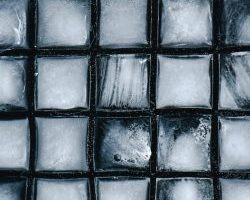
Ice cubes can help knock loose residue from the grinding chamber. Garbage disposals do not have sharp blades, so ice does not actually sharpen them.

Small amounts of soft food leftovers are generally acceptable when fed gradually while cold water is running.
Not Safe for a Garbage Disposal

Fats, oils, and grease can solidify inside pipes, restrict drainage, and create long-term plumbing problems.

Hard shells from oysters, clams, crabs, and similar seafood can damage the disposal or become lodged inside the drain.
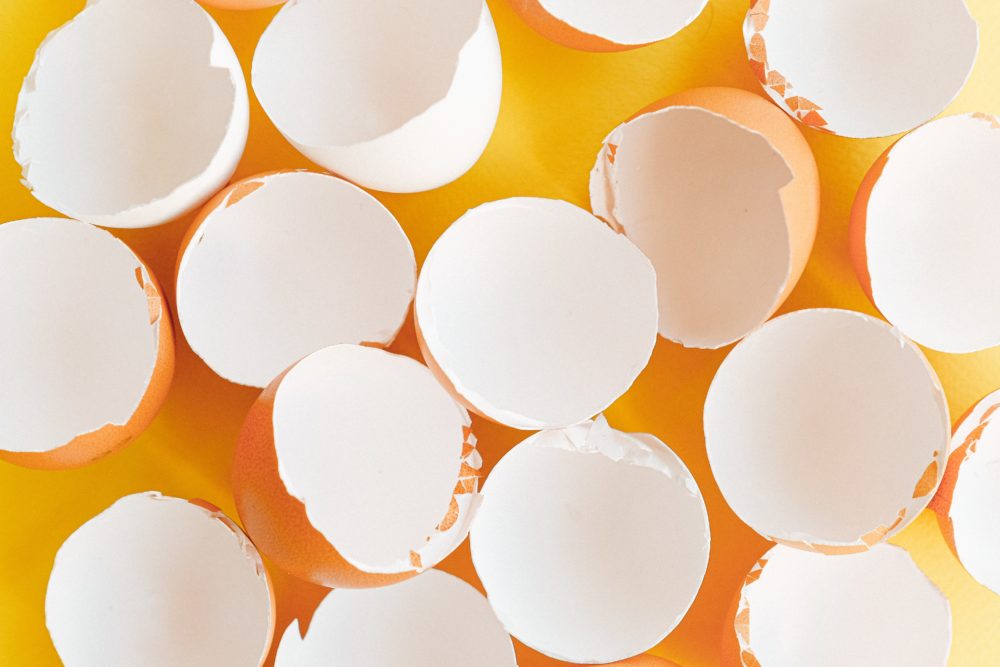
Eggshell membranes and small shell fragments can contribute to buildup and should be composted or placed in the trash.
Artichokes are highly fibrous and can wrap around or obstruct the disposal’s grinding components.

Avocado pits and other hard fruit pits are too large and dense for a garbage disposal.
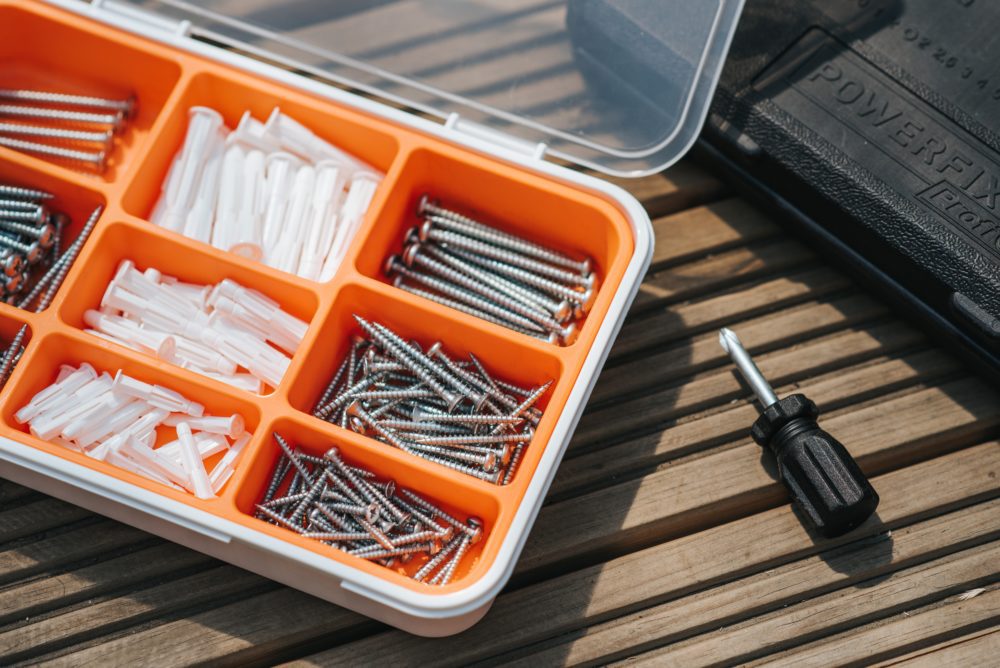
Never place plastic, paper, glass, metal, utensils, packaging, or any other non-food material into the garbage disposal.
