
V Belts
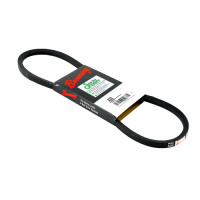
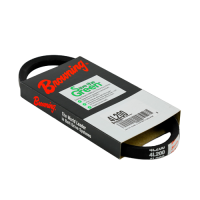
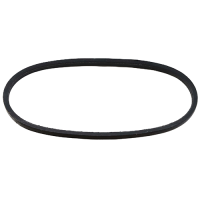
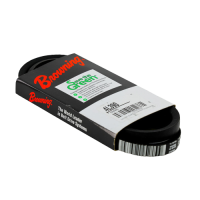
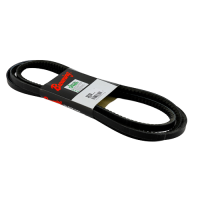
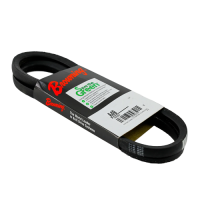
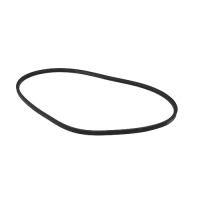
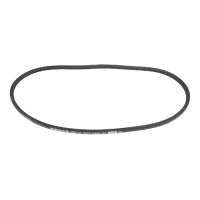
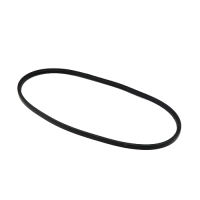
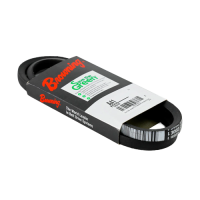
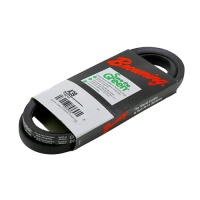
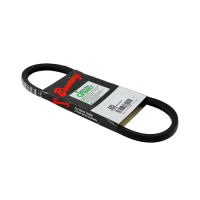
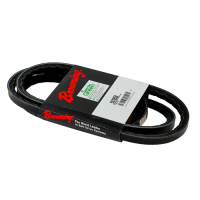
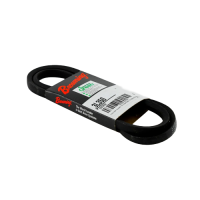
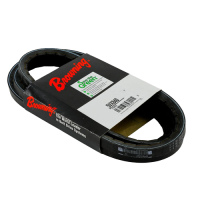
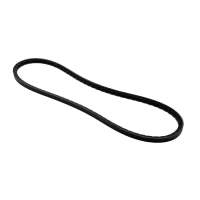
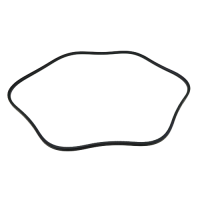
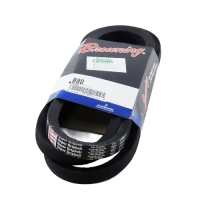
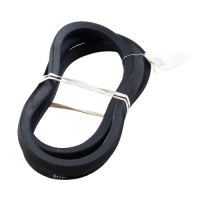
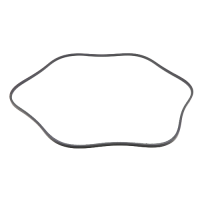
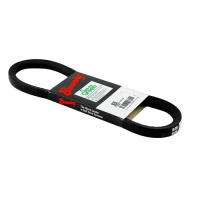
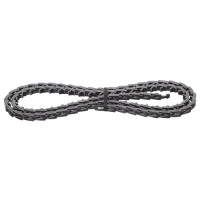
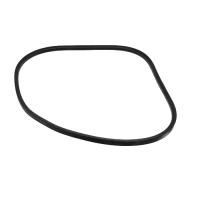
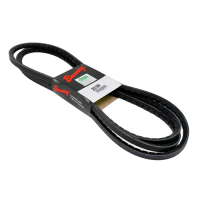
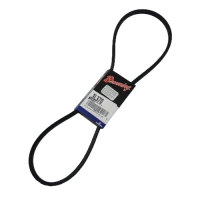
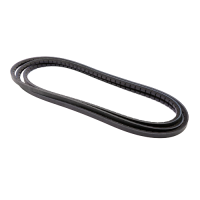
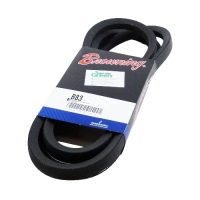
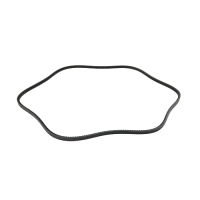
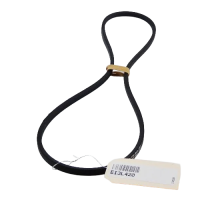
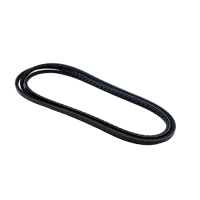
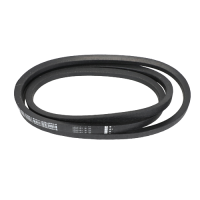
V-belts are essential drive components that transfer power from the motor to fans, blowers, and other rotating equipment in HVAC systems. Their wedge-shaped profile helps the belt grip the pulley groove effectively, making correct belt section and length important for dependable performance. Jackson Systems & Supply offers options in classical and wedge belt profiles, including A, B, AX, BX, 3L, 5V, and 5VX styles and including both wrapped and cogged constructions to help match the fit, flexibility, and grip required for your equipment.
Showing 1–48 of 526 resultsSorted by popularity
-
MSRP: $14.01You save 15%
-
MSRP: $13.79You save 15%
-
MSRP: $80.26You save 15%
-
MSRP: $34.65You save 15%
-
MSRP: $140.60You save 15%
-
MSRP: $526.45You save 13%
-
MSRP: $163.63You save 13%
-
MSRP: $161.01You save 13%
-
MSRP: $45.21You save 15%
-
MSRP: $15.84You save 13%
-
MSRP: $16.43You save 15%
-
MSRP: $64.68You save 15%
-
MSRP: $17.97You save 15%
-
MSRP: $17.55You save 15%
-
MSRP: $17.38You save 15%
-
MSRP: $17.11You save 15%
-
MSRP: $12.20You save 15%
-
MSRP: $16.22You save 15%
-
MSRP: $15.77You save 15%
-
MSRP: $12.36You save 15%
-
MSRP: $89.83You save 15%
-
MSRP: $18.79You save 15%
-
MSRP: $87.55You save 15%
-
MSRP: $59.66You save 15%
-
MSRP: $39.91You save 15%
-
MSRP: $36.49You save 15%
-
MSRP: $35.12You save 15%
-
MSRP: $25.16You save 15%
-
MSRP: $33.29You save 15%
-
MSRP: $31.64You save 15%
-
MSRP: $35.49You save 15%
-
MSRP: $21.25You save 15%
-
MSRP: $29.97You save 15%
-
MSRP: $67.22You save 15%
-
MSRP: $29.36You save 15%
-
MSRP: $19.41You save 15%
-
MSRP: $90.11You save 15%
-
MSRP: $28.74You save 15%
-
MSRP: $169.79You save 15%
-
MSRP: $19.44You save 15%
-
MSRP: $180.50You save 15%
-
MSRP: $36.74You save 15%
-
MSRP: $57.49You save 15%
-
MSRP: $29.68You save 15%
-
MSRP: $191.68You save 15%
-
MSRP: $37.13You save 15%
-
MSRP: $57.49You save 15%
-
MSRP: $47.97You save 15%









More About V Belts
What is the difference between classical A and B belts?
A and B belts are standard classical V belt sections commonly used in blower and fan drives. B belts are wider and typically suited for heavier-duty applications than A belts, so they are not interchangeable even when the lengths seem similar. The belt must match the sheave groove profile to transmit power correctly and help prevent slipping or premature wear.
What are AX and BX belts used for?
AX and BX belts are cogged versions of classical A and B belt sections. The cogs improve flexibility, which can help the belt bend more easily around smaller pulleys and reduce heat buildup during operation. On the Jackson Systems these appear as Gripnotch-style belts, making them a good option where a drive calls for the same section profile but benefits from a cogged construction.
What are 3L, 4L, and 5L belts?
These are fractional horsepower, or FHP, belt sizes commonly used on lighter-duty drives. 3L belts, 4L belts, and 5L belts, are often found on smaller motors and equipment where the original drive was designed around an FHP belt profile rather than a classical A or B section. A replacement should match both the series and the specified length.
What are 3VX and 5VX belts?
3VX and 5VX belts are narrow, notched V-belts designed for higher-performance applications. Their narrower profile and notched construction help them flex efficiently and maintain strong contact in compatible sheaves. These should be replaced with the same narrow section rather than substituted with a standard classical belt.
What should I check before ordering a replacement belt?
Start by matching the belt section, length, and construction style shown on the original belt or equipment specification. Different belt families should not be treated as interchangeable unless the equipment manufacturer specifically allows it. Getting the section wrong can affect pulley fit, tension, tracking, and belt life.
How to measure a belt when choosing length
If the old belt number is readable, use that number first. A worn belt can measure differently from its original size, so choosing by the printed section and part number is usually more accurate than measuring a used belt alone.
