5 Tips for Avoiding Major Appliance Repair During Winter

Winter is approaching, the temperature is dropping, holiday plans have been made, and family visits are on the horizon.
The last thing a homeowner needs right now is an appliance to break down which could cost thousands of dollars and days of uncomfortable living. Whether your heat is not working, or your hot water heater needs repair, the last thing anyone needs is to be left in the cold.
Getting your home ready for winter takes some time and effort, but the good news is, many of these best practices are free and easy to do. Preventative maintenance beats the alternative of having to buy a brand-new appliance. Comparatively, replacing a furnace can cost between $1,000-$3,000 for a 2,000 square foot home and installing a new 50-gallon water heater can put you back almost $3,500.
Here is how you can keep your hot water heater and furnace running well during the winter months:
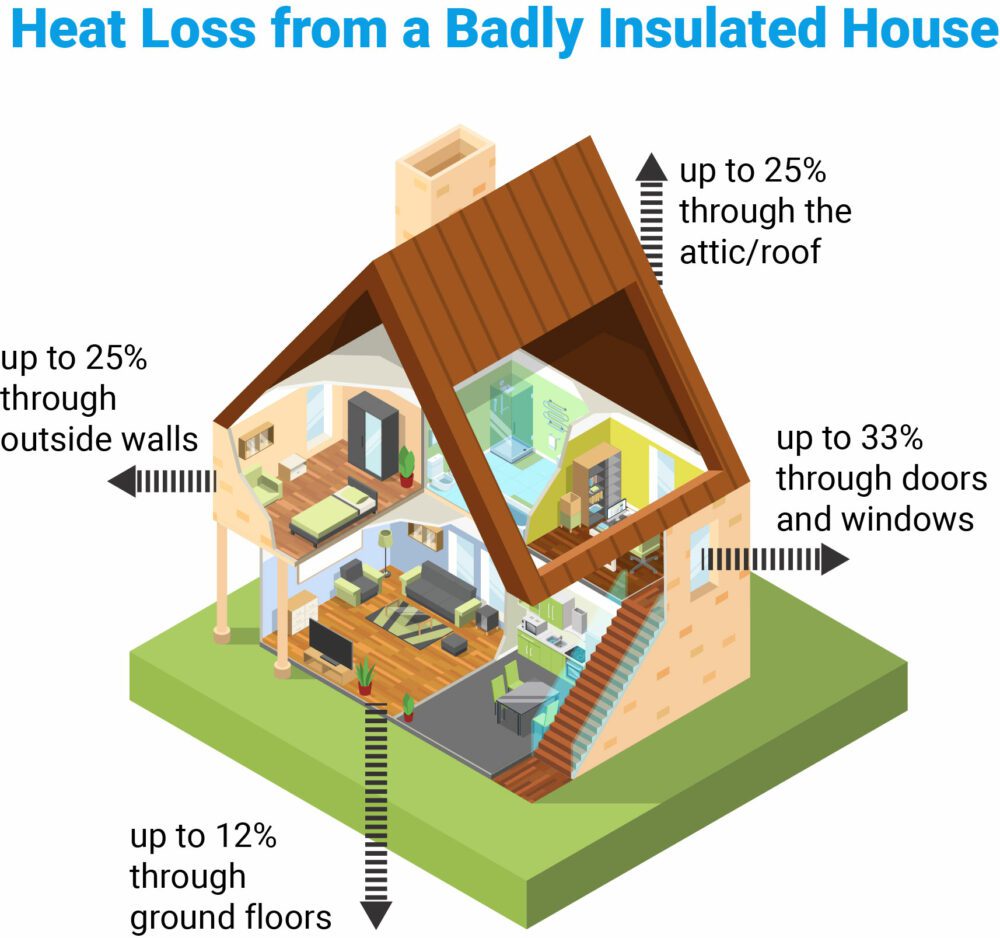
On average 25-30% of your home’s heat loss is through leaks and drafts across various locations around your home. Difference in temperature, between the exterior and interior air, and wind are the two leading causes of heat loss. Improperly insulated walls and windowsills account for nearly 60% of heat loss in the average single-family home.
Did you know that the average American family of 4 generates about forty pounds of dust, dander, and other debris annually? Obviously, all of that getting into your furnace and how much that would affect its efficiency.
One of the easiest ways to limit furnace repair over the winter months is to tackle the most common problem with inefficient airflow. Replace your furnace filter regularly, that is the easiest way to keep your HVAC system operating at peak efficiency.
Best practices with air filters are to check them monthly and replace them every three to six months, depending on their MERV Rating. However, if you have a pet that sheds or smoke indoors you might need to change your air filter more often to keep non-air particulates away from your blower motor and heating elements within the furnace.
Not only will changing your furnace filter regularly keep your furnace running at peak efficiency, but it will also save you money as well. According to the Department of Energy, replacing an air filter that is dirty with a clean one can reduce your energy usage by almost 20%.
Whether you have a gas hot water heater or electric hot water heater, there are standard winter maintenance steps you can take to keep it working at full capacity for longer.
First, regardless of the hardness of water in your area, it is important to flush your tank at least once per year, and sometimes twice a year depending on how much calcium is in your water supply. Flushing a hot water heater requires draining the tank entirely and removing any built-up sediment inside the tank. Sediment built up can cause leaking, rust, odd noises, and even drastically shorten the lifespan of your hot water heater.
While your tank is drained, it is important to check on the status of the sacrificial anode rod. The anode rod is a long metal rod, typically made up of magnesium or aluminum, that attracts iron ions and limestone and prevents the buildup of additional sediment in your tank. Checking your anode rod at least once per year to see if it needs replaces could potentially double the life of your water heater.
Performing these two maintenance steps at least yearly will save you money not only with a more efficient water heater but one that last longer as well.

More than 25 million homes have a water heater or a furnace that is over 10 years old. If you fall into that category, you should have those appliances inspected each year. If a component isn’t working properly, you might save thousands by replacing it before something goes wrong.
Hot water heater repair, furnace replacement parts, electric water heaters, gas water heaters, common furnace, gas furnace, heat exchanger, leaking water heater, you name it your local HVAC or plumbing expert can handle whatever your furnace or water heater throws their way.
© Copyright 2026. All Rights Reserved.