
Blower Motors
Blower motors are integral components that drive air circulation throughout HVAC systems, ensuring conditioned air reaches every part of a home or building. Engineered to convert electrical energy into reliable mechanical airflow, these motors power fans in furnaces, air handlers, and ventilation units, directly impacting system efficiency and comfort delivery.
Showing 1–16 of 311 resultsSorted by popularity
-
MSRP: $143.74You save 15%
-
MSRP: $339.24You save 15%
-
MSRP: $148.21You save 15%
-
MSRP: $150.21You save 15%
-
Sale!
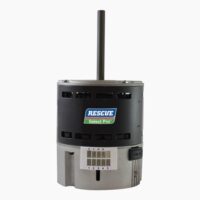
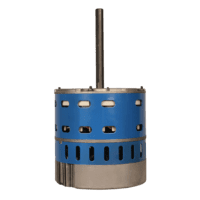
Direct Drive Motor, Replaces Selectech X13 and EnduraPro
Original price was: $304.99.$257.99Current price is: $257.99.MSRP: $359.89You save 28% -
MSRP: $147.29You save 15%
-
MSRP: $160.94You save 13%
-
MSRP: $274.87You save 13%
-
MSRP: $582.57You save 13%
-
MSRP: $149.49You save 15%
-
MSRP: $129.94You save 13%
-
MSRP: $116.83You save 13%
-
MSRP: $269.07You save 15%
-
MSRP: $151.09You save 15%
-
MSRP: $426.11You save 15%
-
MSRP: $715.19You save 15%
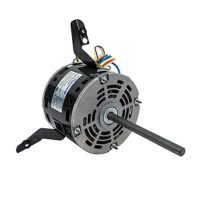
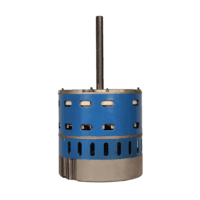
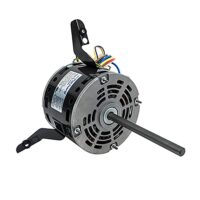
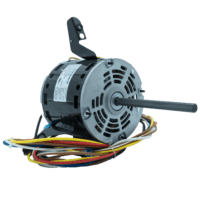
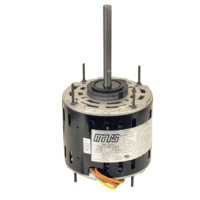
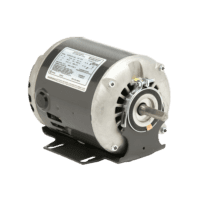
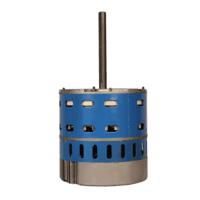


Drop-in PSC Standbys and Smart ECM Replacements
Direct-Drive PSC Picks
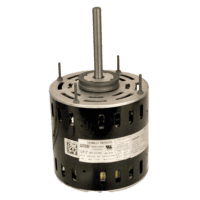
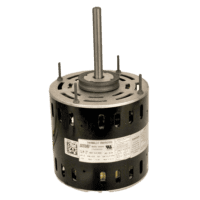
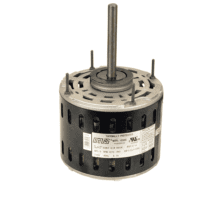
Choose direct-drive PSC motors for simple, proven wiring—multi-HP choices like the MARS 10466 (1/5–3/4 HP, 115V), high-efficiency models such as MARS 10578 (1/2 HP, 208–230V, 1075 RPM) and 10580 (3/4 HP), or value staples like Packard 43786 (1/3 HP, 1075 RPM).
ECM & Constant-Torque / Variable-Speed
Need ECM? Go with drop-in replacements and variable speed: MARS Azure 10859 (Bluetooth setup for X13), Azure VS 10856, or US Motors 6653 (replaces SelecTech X13 & EnduraPro).
Belt-Drive & OEM Fits
Belt-drive jobs are covered by US Motors 8100 (1/3 HP, 1725 RPM)
OEM fits include Lennox 60L21 and 48J10.
Match HP, voltage, RPM (1075 direct-drive / 1725 belt-drive), rotation, shaft size, and 48/48Y frame. PSC models require the correct run capacitor (e.g., MARS 10580 calls for 15/370).
Quick Match Checklist
- HP & voltage (e.g., 1/4–3/4 HP; 115V or 208–230V)
- RPM (1075 direct-drive; 1725 belt)
- Frame/shaft & rotation (48/48Y, ½″ shaft common)
- Capacitor—replace with the size on the motor label; see our Capacitors category.
How to Replace Blower Motors
- Verify & Order the Right Motor
- Match specs: voltage, HP, RPM (e.g., 1075/825), frame (48/56), shaft (diameter/length), rotation (as stated—“viewed from lead end” vs “shaft end”), mounting (belly-band, studs, ring), enclosure (OAO/TEAO), and speeds.
- PSC motors need a run capacitor that matches MFD (µF) + equal/higher voltage (e.g., 7.5 µF @ 370/440V). ECM/X13 do not use a run cap.
- If replacing ECM with PSC (e.g., via QwikSwap/ICM controller), have the conversion kit and a correct PSC motor on hand.
- Tools & Prep
- Kill power at the breaker. Verify 0 V with a meter.
Tools: nut drivers, hex keys, puller, marker/phone pics, zip ties, torpedo level, meter (V/A/Ω), capacitor tester, small wire brush, emery cloth, light oil, threadlocker.
- Kill power at the breaker. Verify 0 V with a meter.
- Remove Old Motor & Wheel
- Pull blower assembly from the furnace/air handler. Photograph wiring.
- Mark the wheel hub–to-shaft depth and orientation.
- Loosen wheel set screw on the flat; use a puller if stuck (don’t pry the blades).
- Remove the motor from the bracket/belly band. Save vibration isolators.
- Prep the New Motor
- Rotation: set per nameplate (reversible leads/plug if applicable).
- Mounting: install in bracket; center it so the wheel will sit fully in the scroll without rubbing.
- Capacitor (PSC only): mount a new cap of the correct µF/voltage. Never reuse a swollen or unknown cap.
- Reinstall Wheel & Set Depth
- Slide wheel to your mark. Blades should be parallel with housing and not scraping.
- Tighten set screw on the shaft flat + a dab of threadlocker.
- Reinsert the blower assembly; ensure wiring is clear of the wheel.
- Wire It Correctly
- PSC (typical):
- Line (L1) to speed tap you want for the mode (e.g., cooling = High, heat = Med/Low, fan = Low).
- Neutral (N/L2) to white.
- Capacitor: brown → Capacitor, brown/white → neutral (or both browns to cap if two-brown type). Tape off unused speed leads.
- ECM / X13 / OEM module:
- Plug harnesses exactly as labeled. Set dip switches/programming per airflow/stage. No run cap.
- ECM→PSC conversion (with controller):
- Follow the kit diagram: 24 V R/C to controller; controller output to PSC speed tap selections and neutral.
- PSC (typical):
- Start-up & Commissioning
- Restore power. Call for fan only to check rotation and rub. If wrong rotation, reverse per motor instructions.
- Call for cooling (highest airflow). Check amp draw vs nameplate FLA; adjust speed tap if high/low.
- Listen for vibration. If present, re-seat the wheel or check balance.
- Verify temperature rise in heat and that limits aren’t tripping.
- Secure wiring, replace panels, label the cabinet with motor specs & date.
- Belt-drive Differences (if applicable)
- Align pulleys then tension the belt so there’s ~½″ deflection on a 24″ span under firm thumb pressure (or per OEM).
- Set motor base parallel. Recheck after 15 minutes of run-in.
Common Pitfalls
- Wrong rotation reference (lead end vs shaft end).
- Using the old capacitor (causes overheating/early failure).
- Wheel not on the flat / depth off → scraping or low airflow.
- Misplaced speed taps → freezing coil (too low CFM) or noisy ducts (too high CFM).
- Reusing brittle push-on terminals—replace overheated ones.
Rule of Thumb: target 350–450 CFM per ton in cooling. Use amps/sound/comfort to fine-tune speed taps if you don’t have static-pressure tools handy.
