
Condenser Fan Motors
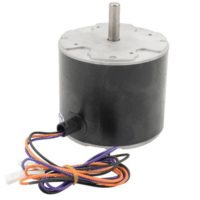
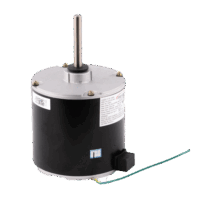
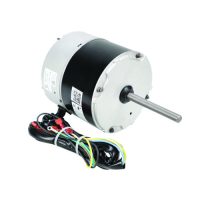
Keep condensers rejecting heat with the right motor. The Jackson Systems line up covers single-phase PSC replacements in 1/5–1/2 HP at 825 or 1075 RPM, in 208–230V and 460V, including outdoor-duty TEAO builds.
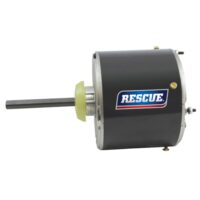
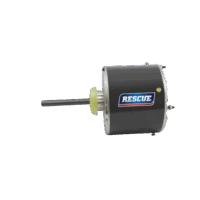
Options include serviceable US Motors Rescue/EZ-FIT, MARS SunSlinger, and OEM Lennox drop-ins for clean fits.
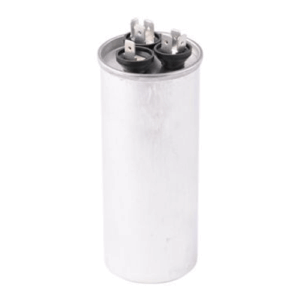
Match HP/amps, RPM, shaft/length, and rotation. Pair with the correct run capacitor to hold head pressure, maintain design airflow across the coil, and protect the compressor.
Choose by voltage and frame to keep noise down and efficiency up.
Showing 1–16 of 52 resultsSorted by popularity
-
MSRP: $98.65You save 13%
-
MSRP: $144.89You save 15%
-
MSRP: $110.33You save 15%
-
MSRP: $168.76You save 13%
-
MSRP: $181.74You save 13%
-
MSRP: $123.31You save 15%
-
MSRP: $161.24You save 15%
-
MSRP: $185.25You save 15%
-
MSRP: $184.75You save 15%
-
MSRP: $453.20You save 15%
-
MSRP: $257.89You save 15%
-
MSRP: $333.49You save 15%
-
MSRP: $182.05You save 15%
-
Sale!
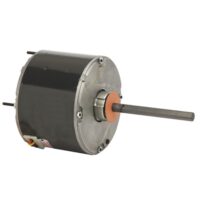
1/3 HP Condenser Motor, 1075 ROM
Original price was: $132.99.$113.99Current price is: $113.99.MSRP: $156.93You save 27% -
MSRP: $153.27You save 15%
-
MSRP: $96.49You save 15%


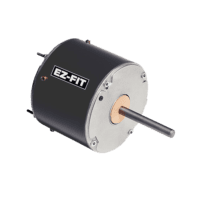
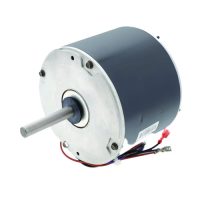
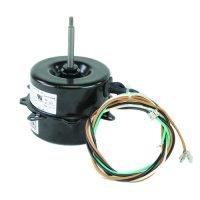
Trusted Choices
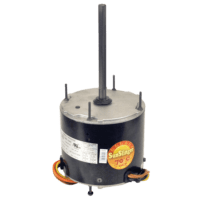
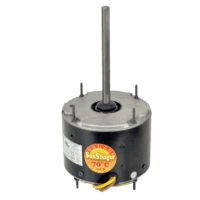
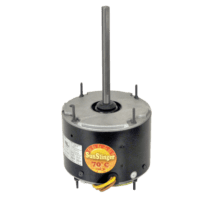
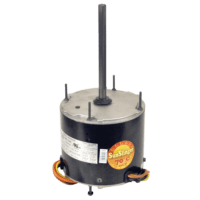
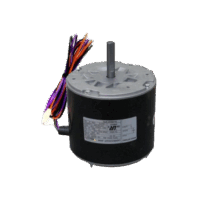
Universal 208–230V, 1075 RPM: US Motors 5462, 1/3 HP — TEAO, reversible, ball bearings. Built for condenser service.
Low-speed EZ-FIT (quiet 825 RPM): US Motors 1874, 1/4–1/8 HP.
460V Rooftops & Light Commercial: MARS SunSlinger 20837, 1/3 HP and 20838, 1/2 HP — TEAO, 48-frame, 1075 RPM.
Value Standbys: US Motors 1877, 1/3 HP, 1075 RPM and 3852, 1/2 HP, 1075 RPM.
OEM Drop-Ins: Lennox 27H34 and 76N19 keep dimensions, rotation, and performance exact.
How to Find Your Match
HP & Voltage: 1/5–1/2 HP; 208–230V or 460V.
RPM: 1075 RPM is standard. Select 825 RPM when the unit calls for it (quieter, larger-diameter blades).
Enclosure & Frame: TEAO, 48-frame with through-bolts/band mount are common on condensers.
Shaft & Rotation: Most use 1/2″ shafts. Many motors are reversible—verify on the label.
Capacitor: Size per the motor tag (e.g., 7.5µF/440 or per listing) and replace it with the motor.
Install a new, correct run capacitor with the new motor (don’t reuse the old one).
When to Replace a Condenser Fan Motor
Bad Motor Symptoms
- Won’t start or only starts if you push the blade and the run capacitor tests within tolerance → weak windings/starting torque.
- Trips its internal thermal overload (runs a few minutes, stops, cools, restarts) with correct voltage and a good capacitor.
- Draws amps above nameplate after the capacitor is replaced and fan blade spins freely.
- Seized or rough bearings: blade doesn’t coast, you feel grinding/side play, or there’s oil leakage/noise.
- Burnt smell or discoloration on windings/leads. Brittle/cracked lead insulation.
- Megger/insulation test shows leakage to ground (insulation breakdown).
- Visible shaft wobble causing vibration, or the shaft is bent.
Rule Out Other Problems
Bad Run Capacitor (out of labeled tolerance—often ±5–6%): motor hums, won’t start, or runs hot/slow. Replace the cap first and retest.
Incorrect Blade or Airflow Restriction: wrong pitch/diameter or crushed guard can push amps high—verify the blade spec and free airflow.
Low/High Supply Voltage at the Motor Terminals: correct wiring, contactor, and lugs before blaming the motor.
Contactor Pitting/Fan Relay Issues: intermittent power → intermittent motor.
Quick Field Test
Power off → spin test (should coast smoothly). Inspect wiring and capacitor.
Capacitor test/replace to the exact µF & voltage on the motor nameplate.
Power on → verify line voltage at motor and check amp draw vs nameplate.
If amps still high, it won’t start, overheats, or bearings feel rough → replace the motor.
