
Draft Inducer Blowers & Motors
Draft inducer blowers are vital for safe and efficient furnace operation, ensuring proper venting by creating negative pressure to move combustion gases through the heat exchanger and out of the system.
At Jackson Systems, we offer OEM-specific and high-performance universal solutions built for reliable ignition and long-term durability.
Showing 1–48 of 260 resultsSorted by popularity
-
MSRP: $281.74You save 15%
-
MSRP: $252.99You save 15%
-
MSRP: $192.04You save 22%
-
MSRP: $287.49You save 15%
-
MSRP: $333.49You save 15%
-
MSRP: $163.29You save 15%
-
MSRP: $63.54You save 15%
-
MSRP: $194.34You save 15%
-
MSRP: $212.74You save 15%
-
MSRP: $240.47You save 15%
-
MSRP: $12.05You save 15%
-
MSRP: $394.44You save 15%
-
MSRP: $264.73You save 15%
-
MSRP: $325.55You save 15%
-
MSRP: $324.29You save 15%
-
MSRP: $415.15You save 15%
-
MSRP: $535.99You save 15%
-
MSRP: $330.40You save 15%
-
MSRP: $271.68You save 15%
-
MSRP: $172.49You save 15%
-
MSRP: $231.56You save 15%
-
MSRP: $665.52You save 15%
-
MSRP: $410.58You save 15%
-
MSRP: $444.54You save 15%
-
MSRP: $522.48You save 15%
-
MSRP: $525.01You save 15%
-
MSRP: $303.54You save 15%
-
MSRP: $463.32You save 15%
-
MSRP: $390.61You save 15%
-
MSRP: $121.53You save 15%
-
MSRP: $106.94You save 15%
-
MSRP: $327.06You save 15%
-
MSRP: $238.95You save 15%
-
MSRP: $336.18You save 13%
-
MSRP: $413.99You save 15%
-
MSRP: $275.99You save 15%
-
MSRP: $551.47You save 15%
-
MSRP: $233.85You save 15%
-
MSRP: $368.62You save 15%
-
MSRP: $472.87You save 15%
-
MSRP: $322.29You save 15%
-
MSRP: $463.75You save 15%
-
MSRP: $481.26You save 15%
-
MSRP: $837.29You save 15%
-
MSRP: $891.05You save 15%
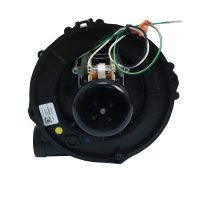
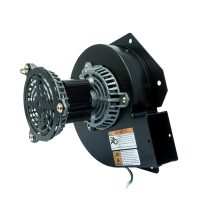
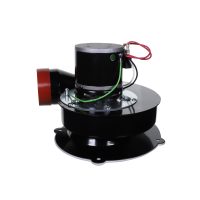

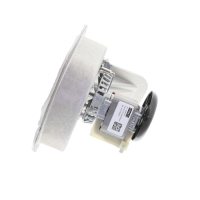
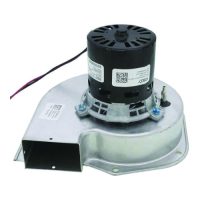
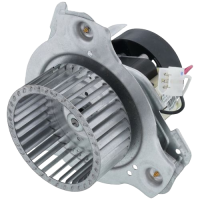
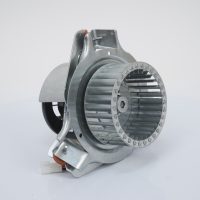
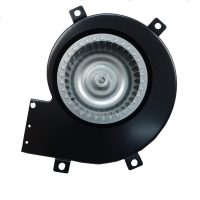
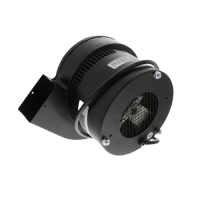
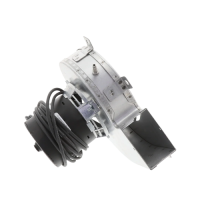

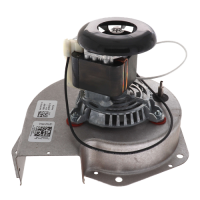
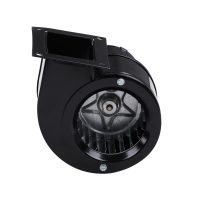


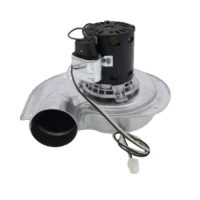
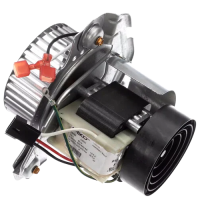
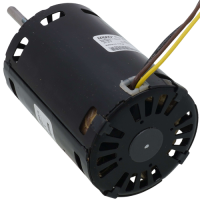
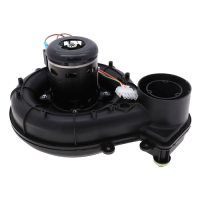
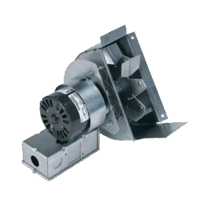
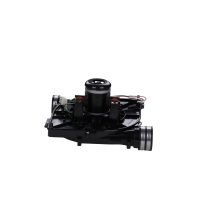
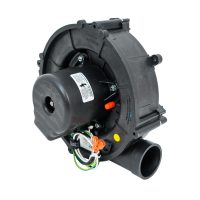
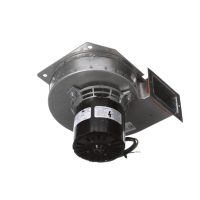


OEM and Right-Fit Replacements
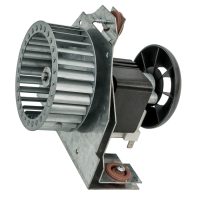
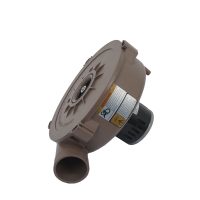
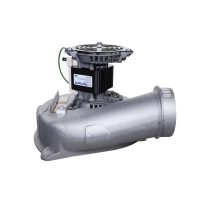
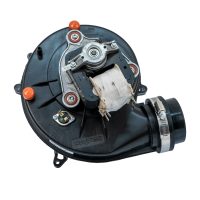
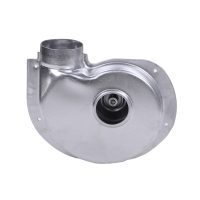
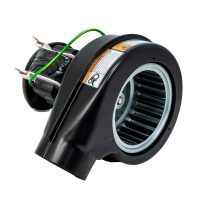
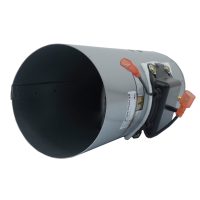
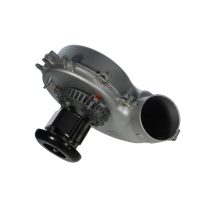
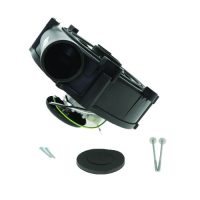
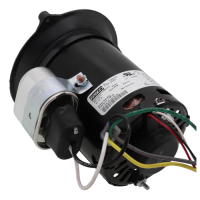
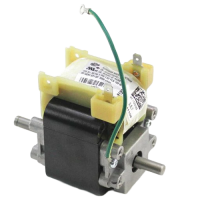
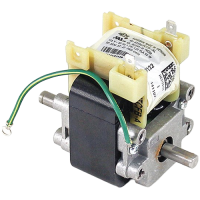
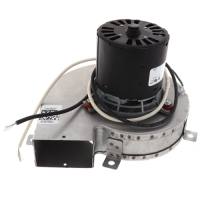
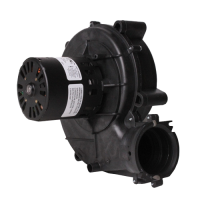
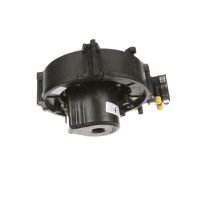
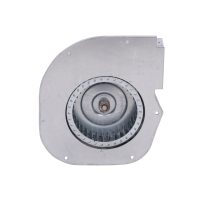
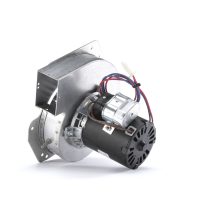
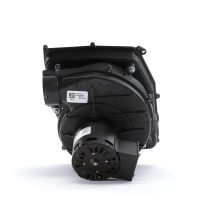
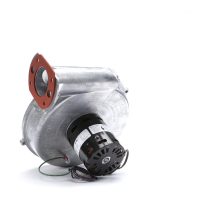
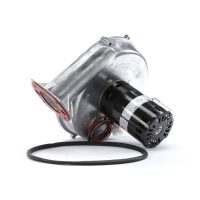
This collection focuses on OEM Lennox assemblies—including the 27K61, 74K77, 32X46 kit, and 19J04—plus direct replacements like the Packard 48332 for Goodman and motor-only options such as the Fasco A172. Related parts—e.g., Lennox 21W66 inducer gasket—make the swap go smoothly. Match by model/part number and electrical specs for a clean fit.
Many techs replace the entire assembly when wheels wobble or housings crack—fewer headaches than rebuilding a rusty unit.
How to Quickly Spot a Bad Draft Inducer
What a Bad Inducer Looks/Sounds Like
A draft inducer motor plays a crucial role in your furnace’s ignition process by pulling air into the heat exchanger and clearing out combustion gases. When it fails, your system may not ignite or may shut down unexpectedly. Here’s how to recognize a bad draft inducer:
- Won’t start / just hums when the call for heat begins.
- Starts, then stops after a minute (thermal overload trips), repeats after cooling.
- Harsh squeal/grind/rattle (worn bearings or loose wheel), scraping (wheel rubbing housing).
- Visible issues: cracked or warped plastic housing, loose/bent wheel, burnt connectors, water/rust trails, melted grommets, brittle pressure-tube nipples.
- Weak draft symptoms: burners light then drop out; repeated ignition retries; pressure-switch fault codes.
Quick Checks (Power OFF → then ON)
Power OFF (Visual & Mechanical)
- Spin the wheel by hand: it should coast smoothly with no side play; any grinding/wobble = bad bearings/shaft.
- Inspect housing, gaskets, and pressure-switch tubing for cracks, kinks, water, or loose fits (especially on 90%+ units).
- Check the vent/termination for nests, ice, or blockages.
Power ON (Electrical & Airflow)
- Verify rated voltage at the inducer leads during a heat call (e.g., ~120 V). Voltage present but no spin = failed motor.
- Clamp amps and compare to nameplate: high draw + noise/heat = failing bearings or rubbing wheel.
- Manometer test: confirm inducer produces enough negative pressure to close the pressure switch (meets or exceeds the switch’s in. w.c. rating within a few seconds).
- Watch the ignition sequence: healthy units pull in draft, close the switch, and light smoothly without short-cycling.
Rapid Triage (Symptom → Likely Cause → Check)
- No spin, voltage present → seized motor/open winding → replace inducer assembly.
- Starts then trips → overheating from bad bearings, blocked vent, or wrong capacitor (on some PSC kits) → free the vent, check amps; replace if bearings are rough.
- Loud squeal/rattle → worn bearings/loose wheel → replace assembly (wheel often damaged).
- Pressure switch won’t close → weak draft, cracked housing/gasket leak, blocked vent, water in tubing → fix blockage/leaks; if performance still low, replace inducer.
- Intermittent pressure-switch faults on 90%+ → condensate backup/gurgle → clear trap/lines; dry/replace tubing; if wheel/housing water-damaged, replace.
What a Good Draft Inducer Looks Like
- Spins up immediately on W call, smooth/steady sound.
- Closes pressure switch within a few seconds and keeps it closed through the heat cycle.
- Amp draw within nameplate; no hot smell, no vibration.
Safety Note: Don’t bypass the pressure switch except momentarily for diagnostics—and only if you’ve verified draft with a manometer. If the inducer has power and can’t prove draft or is noisy/over-amping, replace the assembly rather than just the motor.
