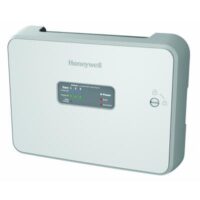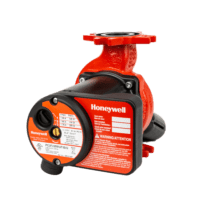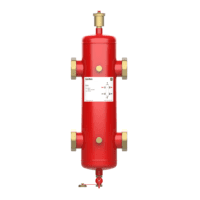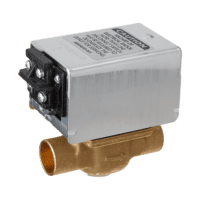
As HVAC systems advance, they become increasingly compatible with setups that use multiple heating and cooling sources. Boilers can now serve as an excellent backup source for geothermal or solar systems. One of the primary benefits of using water as a heating source is the flexibility and relatively low cost of a hydronic system.
Today, we’ll discuss a modern component for hydronic setups that can improve system efficiency while creating a simpler, less convoluted piping layout. The hydraulic separator is the unsung hero of a properly designed hydronic system that uses multiple load circuits or requires multiple circulators.
What Is a Hydronic System and How Does It Work?
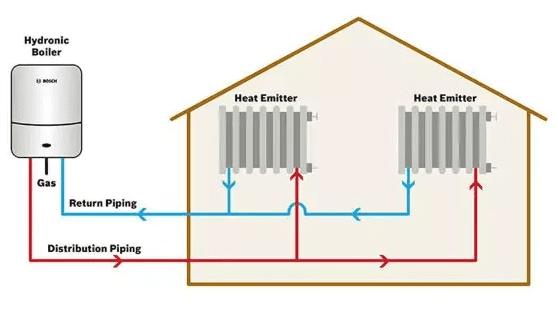
Simply put, a hydronic HVAC system uses water as the primary method of transferring energy for heating or cooling. These systems typically require a boiler for heating and a chiller or cooling tower for cooling.
The treated water moves throughout the building to air-handling units, where the stored energy is transferred into the ventilation air. The success of a hydronic system depends heavily on the organization of the piping circuits and the products selected to connect them.
The contractor must determine how water will flow to the heating or cooling equipment, transfer energy to the air handler, and successfully return to the appropriate tank or system component.
Major advantages of hydronic systems can include low installation and operating costs, along with extremely quiet operation. The challenging part is ensuring that a licensed professional properly designs the piping and selects the equipment that moves water throughout the system.
Without considering the benefits of hydraulic separators, a professional may choose a simpler setup option, such as closely spaced tees.
What Does a Hydraulic Separator Do?
In a hydronic HVAC setup, a hydraulic separator is a valuable option when a building or home uses both heating and cooling, or when the system has multiple circuits serving additional loads.
A hydraulic separator helps prevent flow in one circuit from interfering with another. It can also eliminate the need for several separate components that would normally be included in the system.
With one hydraulic separator, you may no longer need:
- A primary-loop circulating pump
- A separate air separator
- A separate strainer
It also allows multiple circulators to operate independently without interfering with one another.
The Resideo Hydraulic Separator includes a unique dirt-separation feature that removes debris from within the circuits. A magnet and metallic mesh surface capture impurities, which can then be removed through the discharge valve.
When Is a Hydraulic Separator the Best Option?
Hydraulic separators perform especially well in low-temperature systems. Depending on the model and application, they can be used with chilled-water systems and across a broad operating temperature range.
Another major benefit is the separator’s ability to remove microbubbles of air passing through the upper portion of the unit. This is a task that would normally require a separate air separator.
Without proper air and dirt separation, hydronic systems may experience:
- Lubrication issues
- Unusual operating noises
- Poor equipment response times
- Fluid degradation
- Unnecessary temperature increases
If you are looking for a simple solution for a multi-zone system, or want to save time and money by reducing the number of separate components required, a hydraulic separator can provide excellent value.
We carry an extensive line of hydraulic valves, zoning panels, pumps, and other hydronic equipment at Jackson Systems. For more information, explore our hydronic product overviews.
Homeowners should contact a local contractor to determine whether a hydronic system is appropriate for their property. We also offer extensive hydronic training for professionals interested in learning more about installation and proper safety methods.
As always, contact us with any questions about hydraulic separators or other hydronic equipment.