
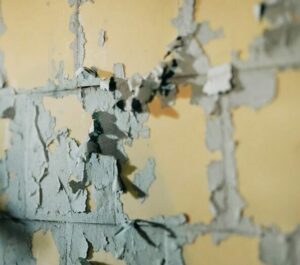
The freezing cold of winter could be peeling the paint right off your house as we speak.
Unless you have specialty paint and a heat wave in the forecast, you probably do not want to begin repainting until spring. When a roof overhang, which is often less insulated than the main portion of the roof, accumulates melting ice, water can seep into gutters and along walls, causing interior paint to fray and peel.
The USDA estimates that a family of four can generate three gallons of water vapor per day through bathing, washing clothes, cooking, and simply breathing.
Because homes often have less ventilation during winter, water vapor can become trapped inside walls and attics. Without a proper vapor barrier, moisture can penetrate painted surfaces and cause the paint to bubble, flake, and peel, especially near bathrooms, kitchens, and laundry rooms.
Many cold-weather paint problems can be prevented with proper insulation, ventilation, and moisture barriers. Let’s review the options available for improving your home in these three important areas.
Insulation
The first place to evaluate should be the furnace and duct system. A quick tune-up from a local HVAC contractor, along with an inspection of the blower and furnace ducts, can go a long way. This is especially important in older homes where the heating equipment may be outdated.
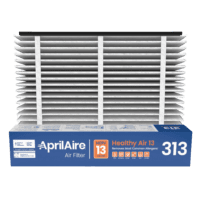
While the contractor is there, ask about the condition of your filtration system. Proper gas furnace operation requires a clean filter that is free of excessive dirt and dust. A clogged air filter is one of the easiest ways to reduce airflow and cause a furnace to malfunction.
Next, inspect the attic. Heat naturally rises, so keeping warmth inside the home requires adequate attic insulation.
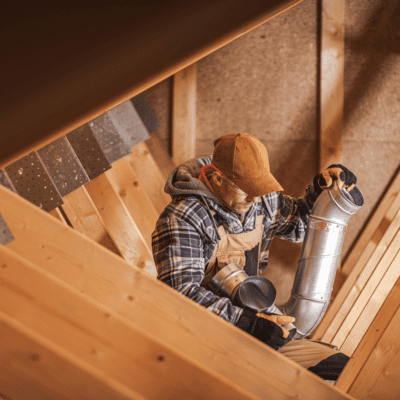
There are several ways to improve attic insulation. Stairway insulation covers and spray-foam products may be suitable for certain do-it-yourself projects. For more extensive improvements, a professional insulation contractor can identify cracks, gaps, and other areas where heat may be escaping.
The cost will depend on the size and condition of the attic. HomeAdvisor provides additional information about common attic insulation costs.
Finally, inspect doors and windows. These are among the most common places for cold outdoor air to enter a home, and they are usually the easiest areas to address.
Weatherstripping, vinyl foam tape, door seals, window shrink kits, and insulated covers are all useful options for protecting vulnerable doors and windows from cold drafts.
Ventilation
Bringing fresh air into a home during winter can be difficult. The simplest method is to periodically open a window or door and use ceiling fans to help circulate the air. However, this may not be practical for people living in extremely cold conditions.
When opening doors and windows is not a reasonable option, an HVAC-mounted UV light may help improve the cleanliness of air moving through the duct system. With the help of a qualified contractor, these devices can be installed inside the HVAC equipment or ductwork.
UV lights can help control certain microorganisms on HVAC surfaces, depending on the type of light, installation, exposure time, and system design.
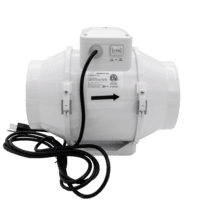
Do not underestimate the value of exhaust fans. Kitchen and bathroom exhaust fans help remove humid, stale air from the home. They can be especially useful while cooking, bathing, or performing other activities that generate moisture.
Need an exhaust fan? We carry a range of fresh-air ventilation products and kits that can help improve homes without adequate exhaust ventilation.
Moisture Barriers
We have discussed how to manage airflow inside the home. Now, let’s look at controlling moisture.
During winter, snow and ice can allow exterior moisture to enter through vulnerable areas of the roof, walls, and foundation. The goal is to prevent moisture and water vapor from penetrating the home and damaging paint, insulation, structural materials, and interior finishes.
Moisture also originates inside the home. A family can generate a significant amount of water vapor through everyday activities such as bathing, cooking, cleaning, and washing clothes.
The combination of exterior moisture entering through the roof and indoor water vapor rising through gaps in the building envelope can create ideal conditions for mold, mildew, and rot.
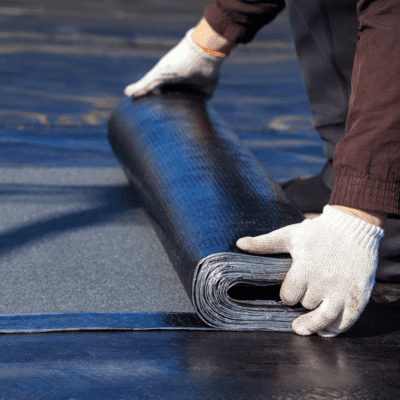
Vapor retarders and moisture barriers can help reduce moisture migration, lower the risk of mold growth, improve energy efficiency, reduce mildew odors, and protect indoor air quality.
Like major insulation projects, installing these barriers often requires professional assistance. The correct material and installation method depend on the home’s construction, climate, and the location of the barrier within the wall, floor, or ceiling assembly.
Crawl spaces, attics, basements, walls, and other insulated areas may benefit from a properly installed vapor or moisture-control system. Contact a qualified local contractor to determine whether your home needs additional moisture protection.
Improving your insulation, ventilation, and moisture barriers can do much more than protect interior paint.
Your family may benefit from better indoor air quality, lower heating costs, improved comfort, and a safer indoor environment. These upgrades can also protect the long-term value and structural integrity of your home.
Preventing moisture damage today can add years to the life of your home while helping keep your family warm, comfortable, and protected from problems far more serious than peeling paint.
